The Southeast Asian Creators Who Are Flipping the Script on American Beauty
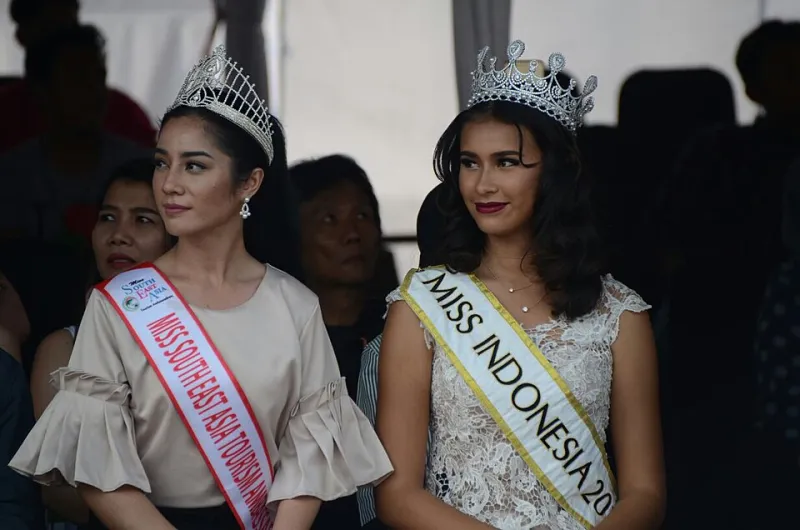
Photo: Government of Jember Regency (Pemerintah Kabupaten Jember), East Java, Indonesia, Public domain, via Wikimedia Commons
A New Face for American Beauty
For a long time, mainstream American beauty culture operated on a pretty narrow set of assumptions about what was aspirational, what was trendy, and whose face was worth centering. That's changing fast — and a lot of the momentum is coming from Southeast Asia.
Creators from the Philippines, Thailand, Vietnam, and Indonesia are building massive followings on TikTok, Instagram, and YouTube, not by mimicking Western beauty standards but by celebrating their own. Glass skin routines rooted in Korean and Southeast Asian skincare traditions, dramatic eye makeup inspired by traditional Thai classical dance, morena beauty pride movements out of the Philippines — these aren't niche corners of the internet anymore. They're shaping what millions of Americans actually buy, wear, and aspire to.
The numbers back it up. According to a 2023 report from Tribe Dynamics, Southeast Asian beauty content saw a 340% increase in US engagement compared to just three years prior. That's not a blip. That's a wave.
Meet the Creators Changing the Conversation
Alyssa Navarro (@alyssabeautyph) — Filipino-American, 4.2M TikTok followers
Navarro started posting makeup tutorials during the pandemic, initially targeting her own Filipino-American community in San Diego. What she didn't expect was for her "morena glow" series — a celebration of deeper, sun-kissed Filipino skin tones — to go massively viral with audiences far outside her community. Her videos directly challenge the colorism embedded in much of mainstream beauty marketing, and she talks about it openly.
"I grew up being told to avoid the sun, to use whitening products, to look a certain way," Navarro said in a recent video that racked up over 12 million views. "I'm done with that. Brown skin is beautiful skin, and I'm going to say it until everyone believes it."
Brands noticed. She's now partnered with Fenty Beauty and e.l.f. Cosmetics — both companies that have publicly committed to expanding their shade ranges and representation in marketing.
Mint Chalida (@mintbeautybkk) — Thai creator based in Los Angeles, 2.8M Instagram followers
Chalida's content blends traditional Thai aesthetics with contemporary beauty in a way that feels genuinely fresh. Her viral "Thai classical dance eye" tutorial — which recreates the dramatic, elongated eye looks from traditional khon performance using modern products — became a reference point for editorial makeup artists across the US. She's been featured in Allure and named one of WWD's beauty influencers to watch in 2024.
What Chalida brings to the conversation is context. She doesn't just show you the look; she explains where it comes from, what it means, and why it matters. That educational layer is part of why her audience is so deeply engaged.
Rizky Pratama (@rizkyglowid) — Indonesian creator, 3.1M TikTok followers
Pratama's specialty is skincare, specifically the kind of multi-step, ingredient-obsessed routine that's become a hallmark of Southeast Asian beauty culture. His breakdowns of niacinamide, centella asiatica, and snail mucin — all staples of Indonesian and broader Southeast Asian skincare — are delivered with a calm, nerdy enthusiasm that American audiences eat up. He's essentially become a skincare educator for a generation that's deeply skeptical of brand marketing but hungry for genuine information.
Linh Trần (@linhbeautyvn) — Vietnamese-American creator, 1.9M YouTube subscribers
Trần's YouTube channel is a masterclass in what happens when you stop trying to fit into someone else's beauty standard and just lean into your own. Her videos on embracing single eyelids, celebrating "unconventional" Vietnamese facial features, and finding makeup techniques that actually work for her face type have built an intensely loyal following. She's particularly popular among second-generation Asian-American women who grew up feeling unseen by beauty media.
Why This Is Making Beauty Brands Nervous (In a Good Way)
Here's the thing about influence at this scale — it eventually forces institutions to move. And the beauty industry, historically one of the slowest sectors to embrace genuine diversity, is starting to feel the pressure.
L'Oréal, Maybelline, and NYX have all quietly expanded their shade ranges for foundations and concealers over the past two years, with internal memos citing shifts in social media demand. Several brands have brought on Southeast Asian creators as brand ambassadors for the first time — not as token gestures, but as central figures in major campaigns.
Sephora's 2024 trend report specifically highlighted "Southeast Asian beauty rituals" as one of the top emerging influences on American consumer behavior. That's a significant statement from a company that essentially functions as a barometer for the industry.
Still, creators like Navarro are cautious about what this attention actually means. "I've seen brands reach out because they want a piece of the trend, not because they actually care about representation," she said. "I ask a lot of questions now before I say yes to anything. Who's in the room when decisions get made? What does the campaign actually look like? Are they just using my face to sell something that doesn't even match my skin tone?"
The Deeper Shift
What's happening here is bigger than makeup tutorials and brand partnerships. Southeast Asian creators are doing something that mainstream American beauty media largely failed to do for decades: showing a wide, varied, genuinely diverse range of people what beauty can look like when it isn't filtered through a single cultural lens.
For second-generation and 1.5-generation Southeast Asian Americans — people who grew up caught between their parents' cultures and American mainstream expectations — this content is often described as genuinely healing. Comments sections on Navarro's and Trần's videos are full of people saying things like "I never saw anyone who looked like me in a beauty ad before" and "I didn't realize I was beautiful until I found your channel."
That's not marketing copy. That's real impact.
What Comes Next
The trajectory here is clear. As Southeast Asian-American communities continue to grow and as digital platforms increasingly reward authentic, culturally specific content over generic aspirational imagery, these creators are only going to get more influential. The brands that figure out how to genuinely engage with this audience — not just capitalize on it — will have a significant advantage.
And for the rest of us watching? It's honestly just exciting to see a richer, more honest version of beauty taking up space in American culture. About time.