Hand-Painted, Hyped, and Impossible to Cop: The Southeast Asian Sneaker Artists Quietly Running the Custom Game
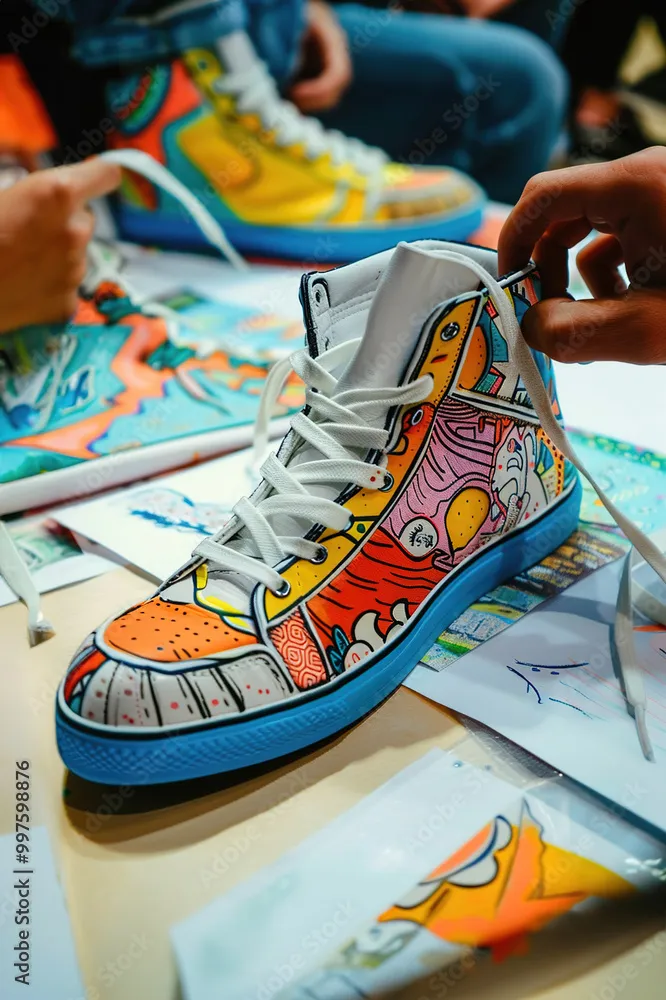
Photo: hand painted custom sneakers artist workshop Southeast Asia, via as1.ftcdn.net
You're not going to find these on SNKRS. There's no raffle, no bot, no camping out at a Foot Locker. The most coveted sneakers circulating in certain corners of the American collector world right now aren't coming out of Nike's innovation lab or Adidas's collab pipeline. They're coming out of a cramped studio apartment in Bandung, a backyard workshop in Cebu, or a converted garage just outside Ho Chi Minh City — and they're being made by hand, one pair at a time.
The Southeast Asian custom sneaker scene has been quietly building momentum for years. But somewhere around 2022, it crossed a threshold. American sneakerheads started paying real attention — not just to the product, but to the people behind it.
The Craft That Started It All
Custom sneaker culture isn't new anywhere. Artists in the US have been painting and modifying kicks for decades, with names like Mache and The Shoe Surgeon earning serious mainstream credibility. But what's coming out of Southeast Asia carries a different energy — a visual language shaped by regional art traditions, street culture, mythology, and a kind of maximalist detail work that's hard to replicate at scale.
Think batik-inspired patterns hand-stitched onto Air Force 1 panels. Jordan 4s reworked with lacquer finishes that mimic traditional Vietnamese lacquerware. New Balance 550s airbrushed with imagery pulled straight from Balinese temple iconography. These aren't gimmicks. They're genuine artistic statements made by people who grew up surrounded by craft traditions that go back centuries — and who also happen to be deeply plugged into global sneaker culture.
The technical skill level is genuinely jaw-dropping. Artists in this scene often train in traditional artisan disciplines before ever picking up a paintbrush for a sneaker. The patience and precision that goes into, say, a hand-embroidered upper or a custom midsole carved to mimic woven rattan — that's not something you learn from a YouTube tutorial. It's a skill set built over years, sometimes passed down through families.
How American Collectors Found Out
Word didn't spread through Instagram alone, though the visuals certainly helped. A lot of the early buzz happened in underground Discord servers and niche Reddit communities — spaces where serious collectors talk shop away from the noise of mainstream sneaker media.
Someone would post a photo of a customs they copped from an artist in Jakarta, and the thread would explode. People wanted to know: who made this? How do I get one? Is there a waitlist? The answers were often complicated — language barriers, international shipping logistics, payment methods that didn't always play nice with US-based buyers — but collectors figured it out because they wanted the product badly enough.
That friction, interestingly, became part of the appeal. In a sneaker market flooded with artificial scarcity and hype-machine drops, finding a pair of truly one-of-one customs from an artist halfway around the world felt like a real score. It had the energy of discovering something before it blew up — which, for a certain type of collector, is the whole point.
Some artists have since built small but devoted American followings through social media, offering commission slots that fill up within hours of being announced. Others operate almost entirely through word-of-mouth referrals, with waitlists stretching six months or longer.
The Names You Should Know
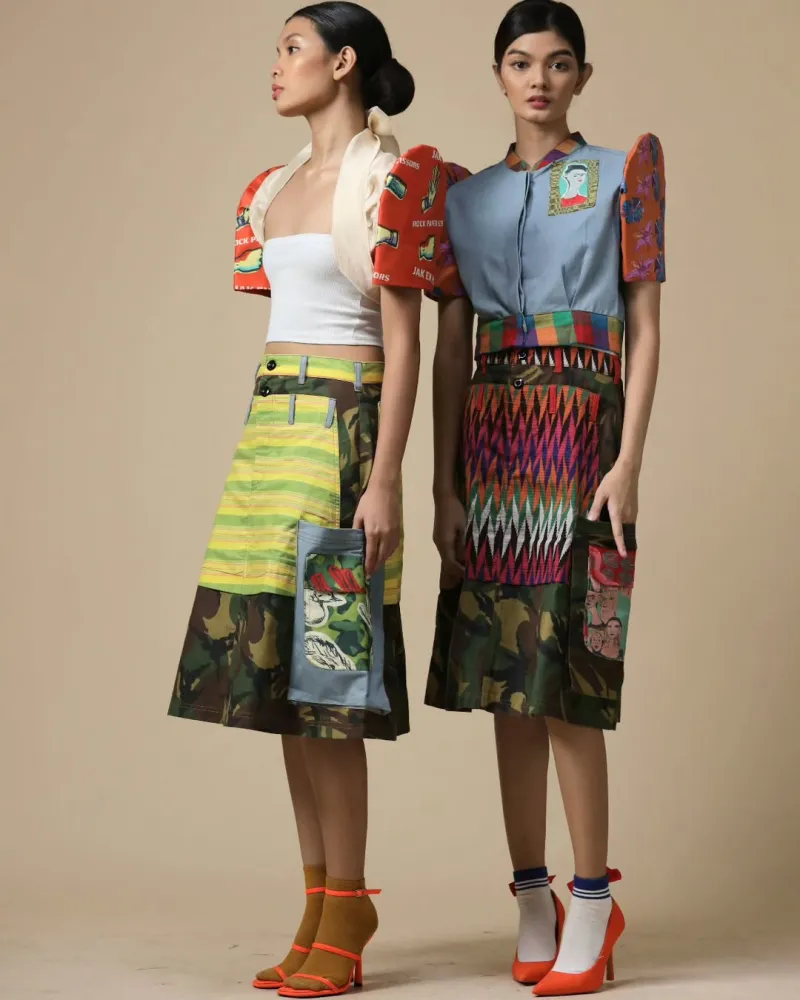
Without turning this into a directory, it's worth noting that the scene spans the entire region and covers a wide range of styles. Filipino artists tend to gravitate toward bold, illustrative work — heavy linework, vivid color palettes, and cultural references drawn from folklore and contemporary Manila street art. Indonesian customizers often bring a more textural approach, incorporating fabric manipulation, hand-dyeing techniques, and material experimentation that feels rooted in the country's deep weaving and textile traditions.
Vietnam has produced some of the most technically precise painters in the game — artists whose airbrush control and color gradients rival anything coming out of established custom studios in LA or New York. Thailand's scene skews a little more avant-garde, with artists pushing into sculptural modifications and material deconstruction that blur the line between wearable art and gallery piece.
What unites all of them is a refusal to play it safe. These aren't people making clean, sellable customs designed to flip on StockX. They're making things that feel personal, risky, and completely original.
Why the Big Brands Are Paying Attention
Here's where it gets interesting. Major sneaker companies have a long history of mining underground culture for ideas — streetwear, hip-hop, skateboarding, you name it — and the custom scene is no different. Brand scouts have been watching this space closely, and the evidence is starting to show up in official product lines.
Some of the material choices, regional pattern references, and finishing techniques that Southeast Asian customizers have been exploring independently are now appearing — sometimes suspiciously — in limited-edition collections from brands with nine-figure marketing budgets. Whether that constitutes inspiration or appropriation is a conversation the sneaker community is actively having.
On the more collaborative end, a handful of Southeast Asian customizers have been approached for official partnerships — pop-up appearances, brand ambassador deals, even small-batch capsule collections. The reception has been mixed. Some artists see it as validation and opportunity. Others are wary of being absorbed into a corporate machine that would flatten the very qualities that made their work interesting in the first place.
The Bigger Picture
What's happening in the Southeast Asian custom sneaker world is part of a larger pattern that keeps showing up across creative industries — a pattern that Thau Thí Công has been tracking for a while now. Regional artists, working outside the traditional centers of cultural power, are building something authentic and genuinely compelling. American audiences are finding it, often through underground channels, and recognizing its value. And then the industry scrambles to catch up.
The question is always whether that mainstream attention helps or hurts the original scene. For now, the workshops are still small, the waitlists are still long, and the work is still being made by hand. That's what makes it worth chasing.
If you're a sneakerhead who's been feeling bored with the official drop calendar, this is your sign to dig a little deeper. The best pair you'll ever own might be sitting in a workshop in Southeast Asia right now, waiting for someone to commission it.