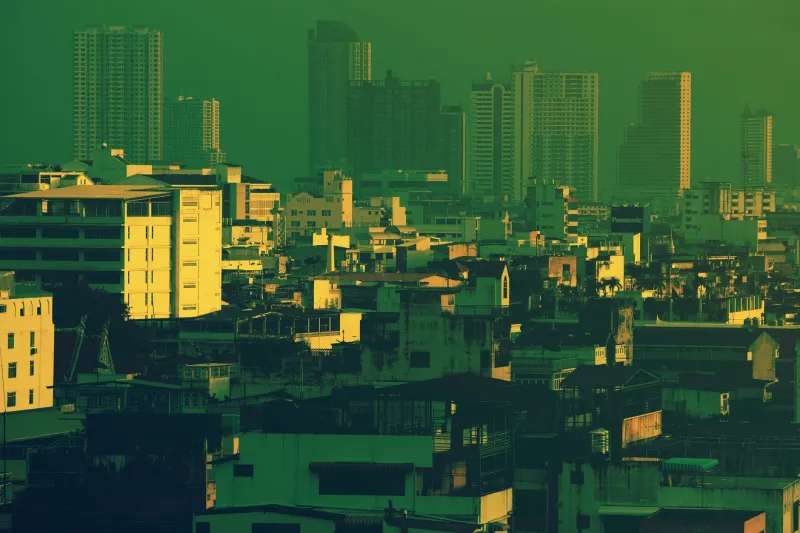
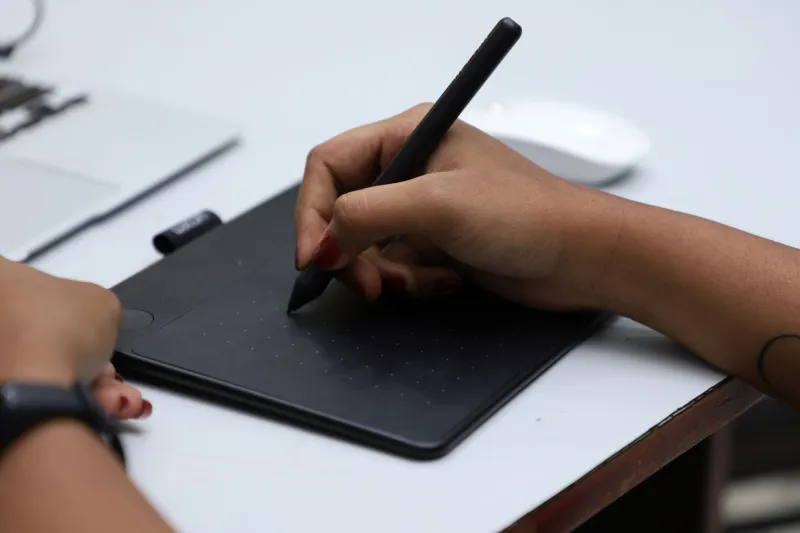
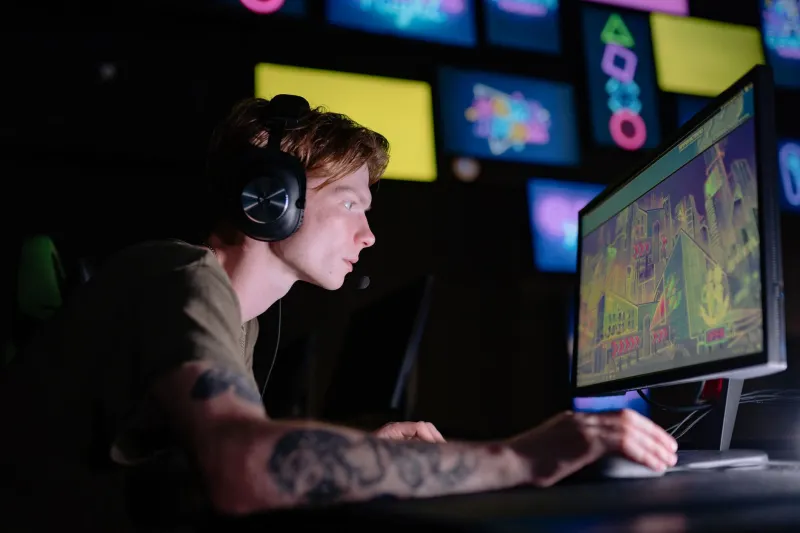
Drawn in Da Nang, Streamed in Denver: The Southeast Asian Studios Quietly Powering America's Webtoon Obsession
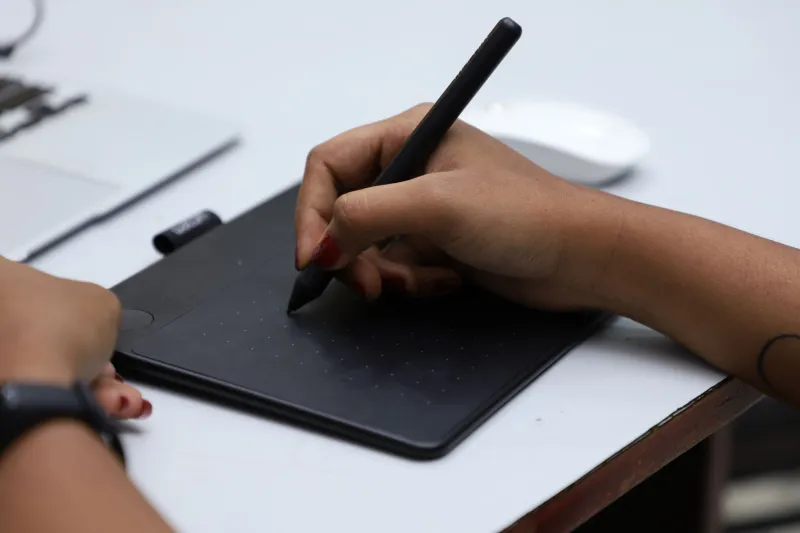
Open up Webtoon, Tapas, or Lezhin on any given afternoon and you'll find millions of American readers scrolling through panel after panel of vivid, vertically formatted digital comics. The stories feel fresh. The color palettes are punchy and alive. The pacing hits different from anything you'd find in a traditional Marvel or DC run. What most readers never think to ask is: who actually made this?
The answer, more often than not, traces back to a studio in Thailand, Vietnam, or the Philippines — staffed by artists who are shaping Gen Z's visual vocabulary one scroll at a time, while earning almost zero mainstream recognition for it.
The Webtoon Boom Nobody Fully Mapped
Digital comics aren't a niche hobby anymore. Webtoon alone crossed 89 million monthly active users globally, with the United States ranking as one of its largest markets. Titles adapted from the platform — like Tower of God, Noblesse, and The God of High School — have landed full anime adaptations on Crunchyroll. Netflix greenlit Hellbound and All of Us Are Dead, both rooted in Korean webtoon culture. The format has gone fully mainstream.
But here's the thing about that pipeline: Korean studios, which dominate the IP side of webtoon publishing, have long outsourced significant chunks of their production work to Southeast Asian art houses. The same dynamic that quietly powers Hollywood animation (Manila and Bangkok have been doing that for decades) is now running through the digital comics world at full speed.
The colorists working on a top-tier webtoon title might be sitting in a shared creative studio in Cebu. The background artists giving a fantasy world its texture and depth could be freelancers in Ho Chi Minh City pulling 12-hour shifts. The panel layout specialists — the people who decide exactly how your eye moves down a phone screen — might be a team of five in Chiang Mai who've never once been credited in an English-language press release.
What These Artists Actually Do (And Why It Matters)
It's easy to underestimate how much craft goes into webtoon production when you're just a reader swiping through on your lunch break. But the vertical scroll format is genuinely demanding. Unlike traditional Western comics, where panels are laid out on a fixed page, webtoon artists have to think in terms of rhythm and momentum — controlling exactly when a reader pauses, gasps, or feels that gut-punch emotional beat.
Colorists in Southeast Asian studios have developed a distinct visual language for this. Bright, high-contrast palettes that pop on mobile screens. Gradient techniques that create a sense of cinematic depth in a format that's basically just a long vertical image. Filipino colorists in particular have built a reputation for being exceptionally fast and technically precise — a combination that's made them in-demand across Korean, Japanese, and increasingly American-born webtoon projects.
Vietnamese studios, meanwhile, have carved out a niche in background illustration and environmental design. If you've ever gotten genuinely lost in the world-building of a fantasy webtoon — the architecture of a fictional city, the texture of a haunted forest — there's a decent chance a team in Da Nang or Hanoi spent weeks building that visual environment from scratch.
Thai artists tend to show up heavily in character design assistance and inking, bringing a stylistic sensibility that blends East Asian manga influence with something a little more expressive and emotionally raw. It's a subtle thing, but it's there if you know how to look.
The Credit Problem
Here's where it gets frustrating. Ask any webtoon reader to name their favorite artist and they'll probably give you the name of the writer or the credited lead illustrator — almost always Korean, sometimes American. The production team behind that artist? Functionally invisible.
This isn't unique to webtoons, obviously. Outsourced creative labor has always struggled for recognition. But in an era where Gen Z is genuinely invested in creator culture — where knowing who made something feels like part of the consumption experience — it's a weird blind spot. The same reader who will deep-dive a creator's Instagram and support their Patreon has essentially no mechanism to discover that the colors in their favorite series were painted by a 24-year-old in Quezon City.
Part of this is structural. Webtoon platforms don't have robust crediting systems for production staff. Korean studios, which hold the IP, aren't particularly incentivized to publicize their outsourcing arrangements. And the Southeast Asian studios themselves often operate under NDAs that prevent them from publicly associating their work with specific titles.
It's a system that works really well for everyone except the artists doing the work.
The Shift That's Starting to Happen
Something is changing, slowly. A handful of Filipino and Vietnamese artists have started building direct audiences on TikTok and Instagram by showing their process — not always naming the specific title they're working on, but giving followers a window into what professional webtoon production actually looks like. The response has been genuinely enthusiastic. Readers want to know this. They're just not being given the tools to find it.
There's also a growing wave of Southeast Asian-originated webtoon projects — stories written, drawn, and produced entirely within the region, then published directly to English-language platforms targeting US readers. These titles are starting to gain traction, and they're bringing with them a cultural texture that feels distinct from Korean or Japanese-influenced work. Filipino folklore, Vietnamese ghost mythology, Thai street culture — these are showing up in webtoon format and finding audiences that are genuinely hungry for something different.
For American readers who've grown up on a diet of superhero comics and manga, encountering a webtoon that draws from Southeast Asian visual traditions is a legitimate aesthetic revelation. The storytelling instincts are different. The way tension builds is different. Even the color choices carry different emotional weight.
Why This Is a Gen Z Story
Webtoons are, at their core, a mobile-native, Gen Z-native format. The audience consuming this content has grown up in an era of global digital culture where the origin of creative work is increasingly irrelevant to their enjoyment of it — but increasingly relevant to how they think about attribution and fairness.
That's a tension worth sitting with. American Gen Z readers are some of the most vocal advocates for creator rights, for fair pay, for recognizing the labor behind the content they love. And yet the entire infrastructure supporting their favorite webtoon titles includes thousands of Southeast Asian artists who are essentially anonymous to them.
The webtoon boom isn't slowing down. Netflix and Crunchyroll are going to keep mining this format for adaptation material. American-born platforms are going to keep commissioning work. The production pipelines running through Bangkok, Manila, and Ho Chi Minh City are going to keep humming.
At some point, the readers who care about this stuff are going to start asking louder questions about who's actually holding the stylus. When they do, the answers are going to be a lot more interesting — and a lot more Southeast Asian — than most people expect.