You've Walked Through Their Worlds a Thousand Times — You Just Don't Know Their Names
You're Already Living in Their Worlds
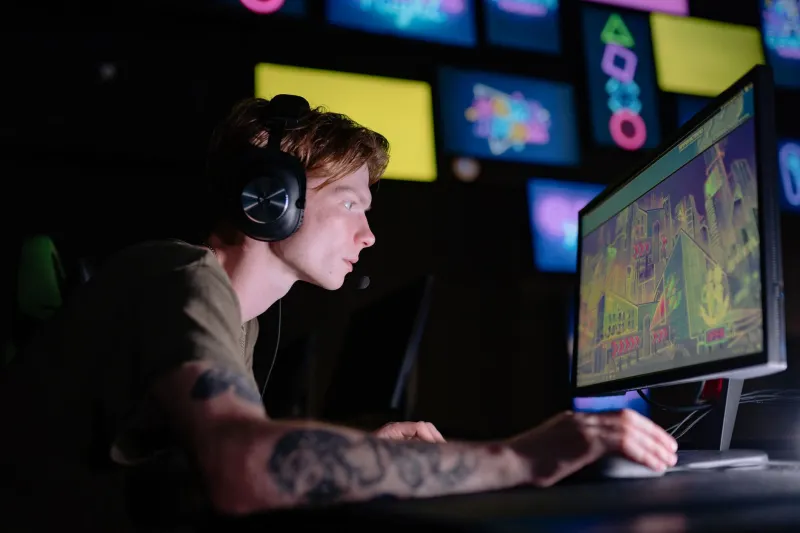
Think about the last time a video game genuinely stopped you in your tracks. Maybe it was a rain-soaked city district where every neon sign buzzed with a different language. Maybe it was a forest that felt ancient in a way you couldn't quite explain — the light hitting the leaves just right, ruins half-swallowed by moss, a sense of scale that made your character feel genuinely small. Wherever it was, there's a real chance the person who built that space was sitting in an office in Manila, Bangkok, or Ho Chi Minh City.
Southeast Asian environment artists and level designers have been doing the heavy lifting inside some of gaming's biggest franchises for years. They're the people responsible for making digital worlds feel lived in — and American players interact with their work on a daily basis without any idea where it came from.
The Infrastructure Nobody Talks About
Here's how the pipeline actually works. Major Western studios — your Ubisofts, your EAs, your mid-size indie publishers chasing AAA aesthetics on tighter budgets — regularly contract environment work out to studios across Southeast Asia. The Philippines has built a particularly dense ecosystem of game art outsourcing firms, with Manila home to shops that handle everything from concept-to-final-asset production for games that eventually ship millions of copies in the US.
Bangkok has carved out its own lane, with Thai studios increasingly moving beyond pure outsourcing into co-development roles where their artists have genuine creative input on world design. Vietnam's Ho Chi Minh City is newer to the conversation but moving fast, with a generation of designers who grew up on the same games they're now building.
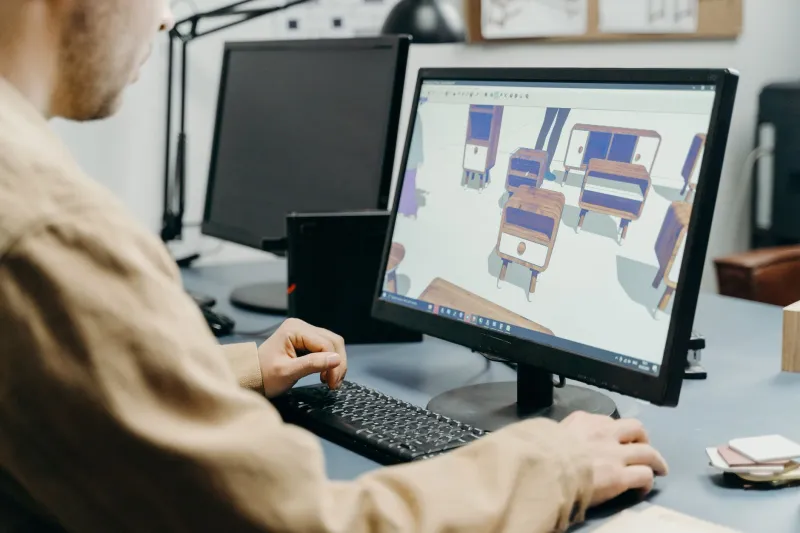
The work itself is sophisticated. These aren't teams cranking out generic textures. Environment artists in this space are building biomes, architecting the sight lines that guide a player through a level without them noticing, designing the visual language of entire fictional civilizations. That crumbling colosseum you explored for forty minutes? Someone spent weeks making sure every broken pillar felt structurally plausible.
Why Southeast Asian Designers Are Genuinely Good at This
There's a cultural dimension here that doesn't get discussed enough. Southeast Asia is a region where ancient architecture sits right next to brutalist concrete, where Buddhist temples share a street with glass-and-steel commercial buildings, where colonial-era facades are covered in modern signage. Designers who grew up in that visual environment have an intuitive feel for layering historical periods, for the kind of environmental storytelling that makes a fictional place feel like it has a real past.
That sensibility translates directly into game world design. The best digital environments don't just look good — they imply a history. They suggest that people lived here, that things happened, that the world existed before your character showed up. That's a skill Southeast Asian designers have been quietly developing, and Western studios have been quietly benefiting from it.
There's also a technical fluency that's been building for over a decade. The game art programs at universities in Manila and Bangkok have been producing graduates who are deeply versed in the tools — Unreal Engine, Unity, Houdini, Substance Painter — that define modern environment production. These aren't people learning on the job. They arrived ready.
The Metaverse Angle (Yes, It's Real)
Beyond traditional games, the same studios are now getting pulled into metaverse and virtual world projects. As platforms like Roblox, Fortnite's Creative mode, and various blockchain-adjacent virtual spaces have started commissioning more sophisticated environmental work, Southeast Asian design firms have been among the first to scale up for that demand.
The economics make sense for platform companies trying to build out enormous digital spaces quickly. The creative output makes sense too — designers who've been building immersive game worlds for years are well-positioned to translate that expertise into persistent virtual environments. Manila studios, in particular, have started landing contracts for branded virtual spaces, digital event venues, and the kind of ambient world-building that makes a metaverse platform feel like somewhere worth spending time.
It's early days, but the trajectory is clear. The people building the foundational visual grammar of whatever the metaverse actually becomes? A lot of them are based in Southeast Asia.
The Credit Gap
Here's where it gets complicated. Game credits are notoriously difficult to parse, and outsourced contributors don't always make it into the final roll. Even when they do, the connection between a specific designer's name and the world they helped build isn't visible to players. You can't look at a game environment and know which studio made it, let alone which individual artist spent three months perfecting its lighting.
That invisibility has real consequences. It means the designers building these worlds don't get the industry recognition that would help them grow their careers. It means American players have no framework for understanding where the places they love actually come from. And it means the broader conversation about game development geography — about where this industry actually lives and operates — stays incomplete.
Some studios are starting to push back on this. There's a growing movement among Southeast Asian game art firms to build their own IP, to create games that originate from the region rather than serving as infrastructure for someone else's vision. A handful of Thai and Filipino studios have released original titles in recent years that carry their own distinct visual identities — environments that draw explicitly on regional architecture, mythology, and landscape rather than defaulting to Western fantasy conventions.
The Worlds You'll Play Next
The next major open-world game you get lost in, the next metaverse space that actually feels like somewhere — there's a better-than-average chance that a designer in Manila or Bangkok had a hand in making it feel real. That's not a footnote. That's the story of how this industry actually functions.
American players have been living inside Southeast Asian creative work for years. The least we can do is start knowing it.