The Quiet Architects of Chaos: How Southeast Asia's Stunt Masterminds Are Designing Hollywood's Most Brutal Action
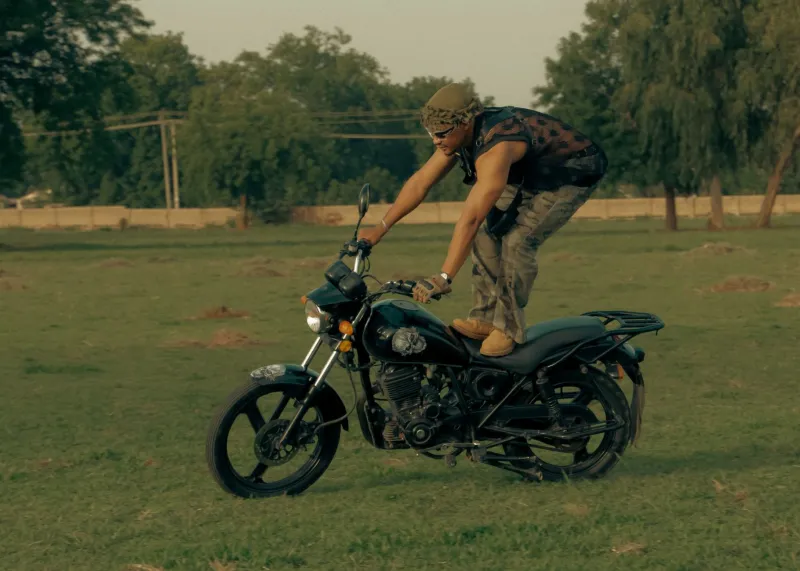
You're watching a motorcycle tear through a crowded market, weaving between stalls and pedestrians while a car flips sideways in slow motion behind it. The director gets the Instagram post. The A-list lead gets the press junket. But somewhere on that set — or more likely in a rehearsal warehouse in Bangkok weeks before cameras rolled — a stunt coordinator from Southeast Asia mapped out every single second of that sequence, down to the millimeter.
Hollywood has a credit problem. And nowhere is it more visible than in the world of practical stunts.
The Infrastructure Nobody Talks About
Ask anyone who's worked on a major action production in the last decade and they'll tell you the same thing: the real creative horsepower behind modern stunt work increasingly runs through Bangkok, Manila, and a handful of other Southeast Asian cities that have quietly built world-class action training infrastructure.
Thailand has been a fight choreography hub for longer than most people realize. Muay Thai gyms doubled as stunt training grounds decades ago, producing athletes who understood both the discipline of martial arts and the theatrical demands of camera-ready combat. Over time, that informal pipeline turned into something much more organized — dedicated stunt schools, production-adjacent training facilities, and a tight-knit professional community that major studios now actively court.
The Philippines brought a different flavor. Filipino action cinema has its own long history, rooted in a tradition of fast, improvisational, street-level fight choreography that looks nothing like the wirework-heavy style that dominated early 2000s Hollywood. When American productions started noticing that Filipino coordinators could stage a hand-to-hand sequence that felt genuinely dangerous without relying on post-production tricks, the calls started coming in.
What They Actually Do (And Why It's Harder Than It Looks)
Stunt coordination isn't just about knowing how to fall. At the level we're talking about — major studio productions with eight-figure action budgets — a coordinator is essentially a second unit director with a physics degree and a trauma surgeon's tolerance for risk management.
They're the ones who figure out how to stage a chase through a real city without killing anyone. They're designing the fight geometry that makes a 130-pound actor look like they're genuinely threatening a 200-pound opponent. They're working with the camera department to choreograph movement that reads cleanly on a 70mm frame while still feeling chaotic and visceral to the audience.
Southeast Asian coordinators have developed a specific reputation for what people in the industry call "grounded" action — sequences that feel physically real because they're built around actual human movement capabilities rather than wire rigs and digital cleanup. That aesthetic has become incredibly valuable as American audiences have grown more sophisticated about spotting CGI-assisted action that doesn't quite track.
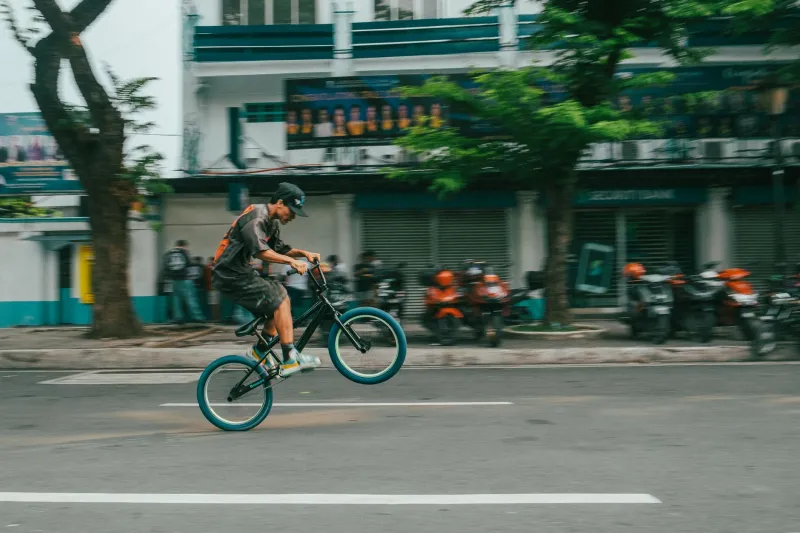
The motorcycle work coming out of Bangkok is a particular specialty. Thailand's traffic culture — dense, fast, and genuinely unpredictable — means local stunt riders have spent years developing skills that simply can't be replicated on a closed course in Burbank. That lived experience translates directly to sequences that look and feel authentic in ways that matter to audiences, even if they can't articulate exactly why.
The Studio Math
Here's where it gets interesting from a business perspective. Studios aren't just sending productions to Southeast Asia for the scenery. The cost structure for stunt work in Bangkok or Manila is dramatically different from what you'd spend on equivalent talent in Los Angeles, and the talent pool is deep enough that you're not making quality concessions to get there.
But it goes beyond day rates. Southeast Asian production hubs have invested heavily in the support infrastructure that makes complex stunt work possible — rigging equipment, camera systems, medical standby protocols, and the kind of institutional knowledge that only comes from doing this work repeatedly at scale. A Bangkok-based stunt team that's coordinated fifty productions has a problem-solving fluency that's genuinely hard to replicate.
Studios have noticed. The flow of production dollars into the region has accelerated significantly, and with it has come a new generation of coordinators who are building careers that would have been unimaginable a decade ago — working on projects that will be seen by hundreds of millions of people worldwide, even if their names never make it into the conversation at awards season.
The Credit Gap
And that's the part that sticks. The cultural infrastructure of Hollywood attribution is still built around a hierarchy that puts directors and stars at the top and treats physical production craft as a supporting role, even when that craft is literally the thing audiences are paying to see.
For Southeast Asian stunt coordinators, this plays out in a specific way. They're often brought in as consultants or through local production partners rather than as direct hires, which means their contribution gets filtered through layers of credits that obscure where the actual creative work happened. A sequence that was designed, rehearsed, and refined in Bangkok over six weeks might get attributed in the press notes to a second unit director who arrived on set for the shoot itself.
There's a slow shift happening, though. Social media has given stunt performers and coordinators a way to document their work that bypasses the traditional credit system entirely. Behind-the-scenes footage from Southeast Asian stunt teams has developed its own audience, one that's increasingly aware of the gap between who gets the credit and who did the work.
Why This Matters Beyond the Industry
For audiences in the US who grew up watching action cinema, there's something genuinely exciting about understanding where the craft actually comes from. The sequences that made you grip your armrest — the ones that felt different from the sanitized digital action that filled multiplex screens for most of the 2000s — often trace back to a creative tradition that's deeply rooted in Southeast Asian physical culture.
Muay Thai's emphasis on full-body weapon use. Arnis, the Filipino martial art built around improvised weapons and close-quarters adaptability. The traffic and environmental chaos of Southeast Asian cities that produces stunt riders who operate at a level that's simply not reproducible elsewhere. These aren't just technical inputs. They're a cultural perspective on the human body in motion, on risk, on what makes physical conflict feel real.
That perspective is reshaping American action cinema in ways that are going to keep compounding. The coordinators building careers right now in Bangkok and Manila are training the next generation, developing new techniques, and pushing the boundaries of what's practically achievable on a film set.
The directors will keep getting the credit. But if you want to know who's actually designing the chaos, start looking southeast.