The Secret Colorists Powering Your Manhwa Addiction — And They're Not Korean
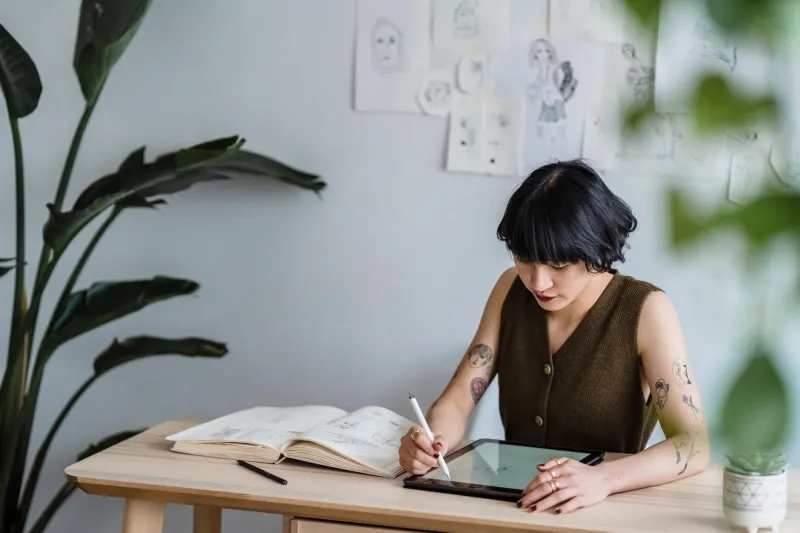
You know the feeling. You open up a webtoon on your phone during lunch, swear you'll read just one episode, and suddenly it's midnight and you're 47 chapters deep into a fantasy romance with an emotionally unavailable demon king. The art is immaculate — rich gradients, glowing skin tones, atmospheric lighting that shifts mood like a prestige TV show. You assume it came straight out of some polished Seoul studio. But here's the thing: a massive chunk of that visual magic was made thousands of miles away from Korea, in apartments and small studios scattered across Southeast Asia.
The global manhwa industry — that's the umbrella term for Korean comics, including the wildly popular scroll-format webtoons — is now worth billions. Platforms like Webtoon, Tapas, and Lezhin Comics have turned Korean storytelling into a genuine American pop culture obsession, with millions of US readers consuming new chapters weekly. But behind the Korean writers and lead artists who get the bylines and the fan art dedications, there's an entire invisible workforce of colorists, digital painters, and background artists operating out of Vietnam, Thailand, and the Philippines. They're the ones making sure those panels look like they belong in a movie trailer.
The Color Pipeline Nobody Explains to Readers
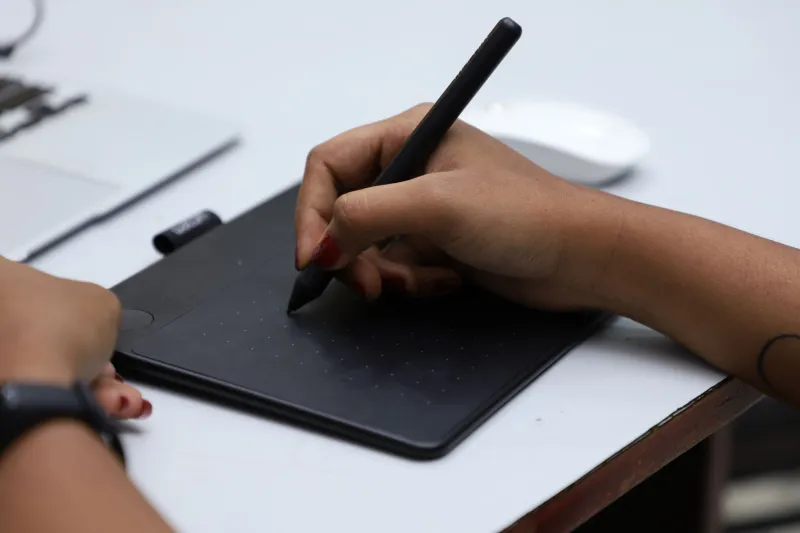
Here's roughly how it works. A Korean webtoon studio — or sometimes an independent creator — produces the line art and rough compositions. Those files get sent to outsourced colorist teams, often through intermediary agencies or direct studio partnerships, to be painted, shaded, and polished before publication. The turnaround is brutal. Weekly update schedules mean colorists are working under constant pressure to deliver finished panels that look effortless, even when they absolutely aren't.
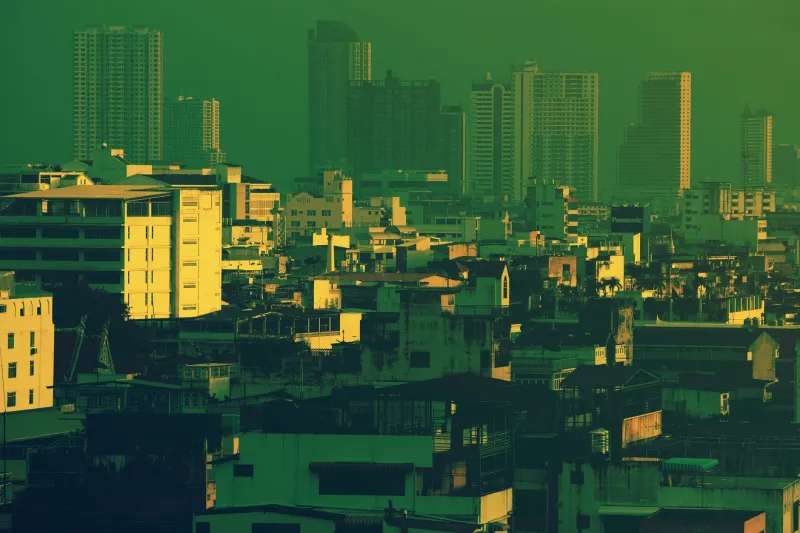
Studios in Ho Chi Minh City and Hanoi have quietly built entire operations around this pipeline. Same story in Manila, where a deep pool of digitally trained artists has been absorbing outsourced creative work from across Asia for decades. Bangkok's creative scene, fueled partly by a strong local comics culture, has also developed tight relationships with Korean publishers who need reliable, fast, and visually sophisticated color work.
The pay structure varies wildly. Some colorists are salaried studio employees. Others work freelance, picking up contracts through platforms or word-of-mouth referrals within tight-knit professional communities. What's consistent is that their names rarely, if ever, appear in the credits that Western readers see.
Why Southeast Asia Became the Go-To
It's not just about cost — though that's obviously part of the conversation, and pretending otherwise would be naive. Skilled digital colorists in Vietnam or the Philippines can deliver work at rates that make economic sense for publishers operating on subscription-revenue models with thin margins. But the talent factor is real and it's significant.
Southeast Asia has been producing world-class digital artists for years, trained through a combination of formal art education, self-teaching via online platforms, and years of working on animation, game art, and illustration projects for international clients. The region's artists grew up consuming the same manga, anime, and Korean webtoons that Western audiences love. They understand the aesthetic language intuitively — the way light should fall on a character's face during an emotional confession scene, the specific palette choices that signal genre (soft pastels for romance, high-contrast darks for action), the subtle glow effects that make a fantasy world feel alive.
That cultural fluency is genuinely hard to replicate. When a Vietnamese colorist in their late twenties has been reading manhwa since middle school, they bring a level of aesthetic instinct to the work that no amount of technical instruction can fully manufacture.
The Webtoon Boom Is an American Story Too
For US readers, webtoons have become a legit part of the cultural diet. Lore Olympus has over a billion views. True Beauty got a Korean drama adaptation. Publishers are actively developing webtoon IP for animated series and films. Gen Z readers especially have embraced the format — optimized for vertical scrolling on phones, updated regularly, often free to read with optional paid fast-passes.
What's interesting is how the American appetite for this content is partly being shaped by Southeast Asian visual sensibilities without anyone really acknowledging it. The color choices that make a webtoon feel emotionally resonant to a reader in Columbus or Charlotte? Those choices are being made by artists in Cebu or Da Nang who are deeply familiar with what hits visually across cultures, because they've spent their careers at exactly that intersection.
The Credit Gap
There's a real conversation to be had about recognition. The manhwa industry has a credits culture that, at its worst, treats colorists and background artists as interchangeable production workers rather than creative contributors. Some Korean studios are better about this than others. Some independent webtoon creators — particularly those who've built direct relationships with their Southeast Asian collaborators — are genuinely thoughtful about acknowledgment. But the standard practice still leans toward invisibility for anyone who isn't the primary artist or writer.
That's starting to shift, slowly, as the artists themselves become more vocal about their work on social media. Digital painters in Manila and Vietnam are building their own followings on Instagram and Twitter, posting process videos and portfolio pieces that reveal the depth of their contribution to titles their followers recognize immediately. It's a quiet form of reclaiming credit that doesn't require permission from publishers.
What This Means for the Future
As webtoons continue their march into mainstream American entertainment — more adaptations are coming, more platform investment is flowing — the Southeast Asian colorists and digital painters at the heart of the industry are going to become harder to ignore. Some are already parlaying their manhwa experience into higher-profile work in animation and game art. Others are developing their own original IP, using skills honed on Korean comics to tell stories rooted in their own cultural contexts.
The irony is that the same US audiences who are obsessed with Korean webtoons might actually be more ready for Southeast Asian visual storytelling than anyone's given them credit for. The aesthetic bridge is already there — they've been crossing it every time they opened a new chapter. They just didn't know whose hands built it.
Next time you're deep in a webtoon rabbit hole and you stop to appreciate how absurdly good a particular panel looks, take a second to think about where that beauty actually came from. There's a colorist somewhere in Southeast Asia who made that moment land, and they deserve at least that much.