Scrolling Through Millions of Pages Nobody Knows Were Made in Bangkok or Manila
There's a decent chance you've spent a solid chunk of your week scrolling through a webtoon. Maybe it was a slow-burn romance with gorgeous pastel paneling. Maybe it was a fantasy epic with fight sequences so fluid they felt closer to animation than anything you'd call a "comic." You liked it, maybe you shared it, maybe you stayed up way too late reading it. And then you moved on without ever wondering who actually made it.
Here's the thing: a lot of that work came out of Southeast Asia. Specifically, out of studios tucked into Bangkok and Manila — creative operations that have quietly become the engine driving one of digital entertainment's fastest-growing formats. And almost none of the millions of readers who consume their output daily have any idea.
The Format That Changed Everything
If you need a quick refresher: webtoons are vertically scrolling digital comics, optimized for phones, built to be consumed in a single sitting or across quick daily episodes. The format blew up out of South Korea in the early 2000s and has since become a genuinely global phenomenon. Platforms like WEBTOON, Tapas, and Lezhin collectively pull in audiences that rival mid-tier streaming services. Some individual titles have topped a billion reads.
What's less discussed is how the production model works. Major publishers — including Korean platforms expanding their catalogs and American IP holders chasing the format's younger audience — have increasingly outsourced the heavy lifting of webtoon production to studios in Southeast Asia. The creative infrastructure is there, the talent pool is deep, and the cost structure makes it viable to produce at the kind of volume these platforms need to keep their algorithms fed.
Manila, in particular, has become a hub. The Philippines has a long, serious history in comics — Filipino artists have been working in American superhero comics since the 1970s, contributing iconic runs that hardcore fans still talk about. That lineage created a culture of professional comic art that's now pivoting hard into the digital vertical format. Bangkok is running a parallel track, with a cluster of studios that have built reputations for high-output, high-quality work across romance, fantasy, and action genres.
What These Studios Actually Do
It's not just coloring pages or filling in backgrounds — though that work exists too, and it's skilled work. The more sophisticated Southeast Asian webtoon operations are handling full production pipelines. That means character design, storyboarding, panel composition, inking, coloring, lettering, and final formatting for platform upload. Some studios are even developing original IP, pitching concepts directly to platforms or working with independent creators to bring scripts to life.
The workflow tends to be collaborative in ways that blur traditional creative credit. A Korean or American writer might supply a script. A Manila-based character designer builds out the visual world. A Bangkok team handles the action sequences. Someone else does the romantic paneling because that's genuinely a different skill set that requires different pacing instincts. The final product reads as seamless. The seams, if you looked for them, would cross several time zones.
Artists who work in these studios describe a production pace that's genuinely intense. Weekly episode drops are the standard on major platforms, which means teams are constantly in motion. The readers who leave comments demanding the next chapter have no visibility into what it takes to deliver it.
The Talent Pipeline Is Deep and Getting Deeper
One of the underappreciated things about Southeast Asia's position in this industry is how the talent pipeline is self-reinforcing. Art schools in Manila and Bangkok have started tailoring programs toward digital comics specifically — not just general illustration or animation, but the particular visual grammar of the webtoon format. Students graduate already fluent in the conventions: how to pace a scroll reveal, how to use panel width to control emotional tempo, how to design characters that read clearly at phone-screen size.
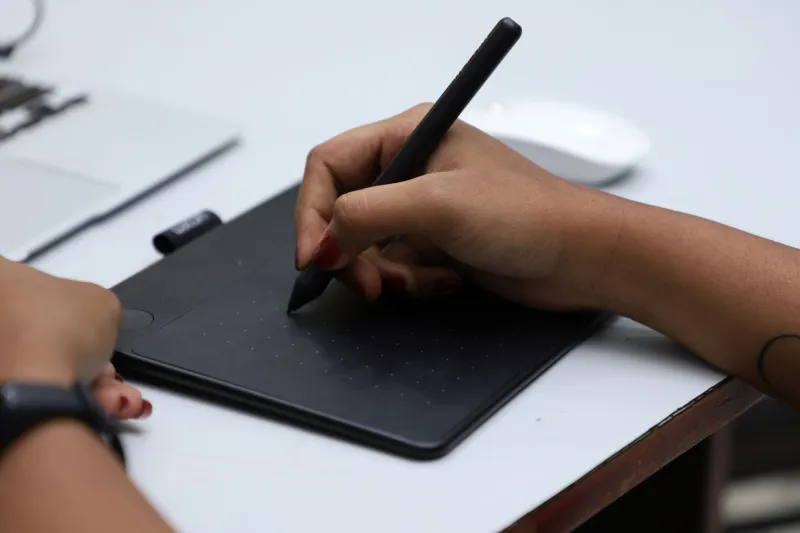
There's also a massive community of self-taught artists who came up through online platforms, posting work for free, building followings, getting recruited. The barrier to entry is low in terms of equipment — a tablet, the right software, a reliable internet connection — which means talent from across the economic spectrum is entering the field. Studios can draw from a genuinely wide pool.
Some of the most technically skilled colorists and background artists working in webtoons right now are in their early twenties, based in the Philippines or Thailand, and have never been to a comic convention. They may never be credited in a way that a reader would find. But their aesthetic choices are shaping what millions of people think a good comic looks like.
The Credit Problem Nobody Wants to Talk About
Here's where it gets a little uncomfortable. The webtoon industry has a credit and compensation structure that's... let's say opaque. Platforms promote creator names and story titles. The studios doing production work are often operating under work-for-hire arrangements that keep them invisible to end audiences. Individual artists within those studios may have even less visibility.
This isn't entirely unique to webtoons — it mirrors patterns in animation, VFX, and other entertainment industries where Southeast Asian labor has long been essential and underacknowledged. But in a format that specifically markets itself on the parasocial relationship between readers and creators, the gap between visible credit and actual creative contribution is particularly stark.
Some studios are pushing back on this, building their own brands and platforms, developing original IP that they own outright. There's a growing conversation in Manila and Bangkok creative communities about what it would mean to be known — not just as a production vendor but as an originating creative force in a format that their work has substantially shaped.
Why This Matters for American Readers
If you're in the US and you read webtoons — and statistically, if you're under 30, there's a real chance you do — this is your entertainment landscape. The visual language you've absorbed, the storytelling conventions that feel intuitive to you now, the aesthetic choices that make you click on one title over another: a meaningful portion of that has been built by artists in Southeast Asia who you've never heard of.
That's not a complaint. It's just context. The global creative economy is genuinely global, in ways that the platforms delivering content to your phone don't always make legible. Knowing where the work comes from doesn't change how good it is. But it does change how you think about who's actually building the culture you're consuming.
Bangkok and Manila aren't just executing someone else's vision. They're developing a visual vocabulary that belongs to them — and they're doing it one scroll at a time.