The Drop You Slept On: How Southeast Asian Street Fashion Became Gen Z's Most Wanted Aesthetic
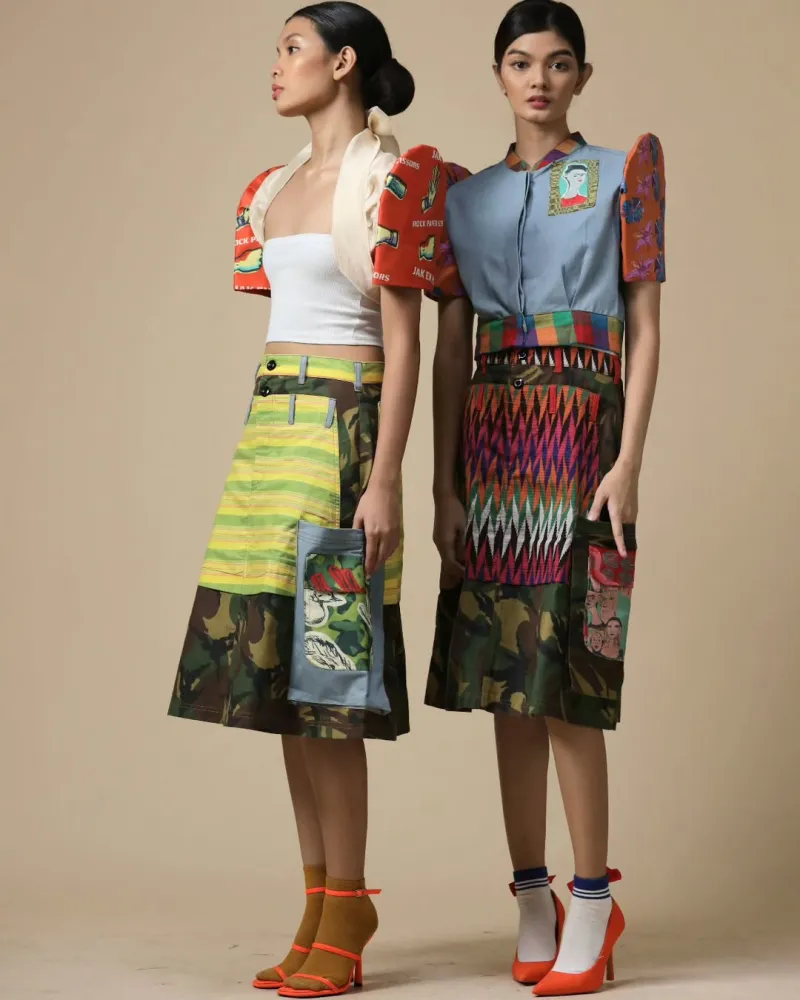
Photo: Southeast Asian streetwear fashion designer studio Bangkok Manila youth clothing, via stylishmagazine.online
There's a particular kind of hoodie that's been everywhere lately. Oversized but structured. Graphic-heavy but restrained. The kind of piece that looks like it took real thought — like someone actually had something to say with it rather than just filling space with a logo. You've probably seen it on TikTok, spotted it in a "fit check" post, maybe even bought something that looked like it.
Here's what nobody's putting in the caption: a version of that hoodie existed in Bangkok's Chatuchak Market three years ago. A slightly different one was hanging in a Hanoi boutique before most American trend forecasters had even started using the word "quiet luxury." And a collective in Manila was doing the graphic language that's now showing up in Urban Outfitters' "independent designer" section — without the Manila part making it onto the hangtag.
The Blueprint Nobody Credited
Southeast Asian streetwear has its own distinct visual vocabulary. It pulls from a collision of influences that doesn't exist anywhere else: Buddhist iconography remixed with Y2K silhouettes, colonial-era typography repurposed as graphic design, traditional textile patterns cut into contemporary fits. It's layered in a way that reflects actual lived cultural experience rather than mood board aesthetics.
Designers working out of Bangkok's creative districts, Hanoi's Old Quarter, and Manila's Cubao scene have been developing this language for over a decade. Some of them have built serious regional followings — cult labels with waitlists, limited drops that sell out in hours, collaborations with local musicians and visual artists that function more like art projects than marketing campaigns.
And for most of that time, the American fashion industry looked right past them.
Then Pinterest algorithms changed. TikTok's For You page started surfacing content from creators in Southeast Asia. And suddenly, American trend forecasters were "discovering" an aesthetic that had been fully formed and commercially active for years.
The Copy-Paste Pipeline
The way this typically works isn't dramatic. Nobody's stealing files in the night. It's more mundane and, in some ways, harder to fight.
A trend forecasting agency picks up on visual patterns from Southeast Asian social media. They package those patterns into a trend report. A buyer at a mid-tier American retailer uses that report to inform their next season's purchases. A manufacturer in a completely different country produces something that hits the same notes. The result lands in an American store with zero connection to the original creative community that generated the aesthetic.
Independent designers from the region have documented this cycle repeatedly. A Bangkok-based label releases a graphic tee with a specific treatment — a particular way of distressing text, a color palette that references traditional Thai temple architecture — and six months later, something almost identical shows up in a fast-fashion retailer's "street style" collection. No licensing. No collaboration. No credit.
The frustrating part, several designers have noted, is that the copies often sell at higher price points than the originals. The American retail markup combined with the perception of "Western" branding means the derivative version gets treated as more premium than the source.
Why Gen Z Is Going Straight to the Source
Something has shifted in the last two years, though. And it has a lot to do with how Gen Z actually consumes fashion information.
This generation doesn't just want the item — they want the story, the context, the proof that something is real. They've grown up with enough brand cynicism to smell a corporate mood board from a mile away. And increasingly, they're finding their way to the actual Southeast Asian labels rather than the American versions.
Instagram and TikTok have made it genuinely easy to follow a designer in Manila or order directly from a Hanoi collective. International shipping has gotten more accessible. And there's a cultural credibility that comes with having the original — especially in online fashion communities where authenticity functions almost like a currency.
Labels like those operating out of Bangkok's Silom creative district or the cluster of independent brands that have emerged from Ho Chi Minh City's District 1 are seeing real growth in their international customer base, with American buyers making up an increasing share. Some of them are doing it entirely through direct-to-consumer social media with no traditional retail infrastructure at all.
For Gen Z buyers, part of the appeal is exactly what the American copies lack: the messiness, the specificity, the sense that this came from an actual place and an actual community rather than a trend deck.
The Counterfeit Question
It would be incomplete to talk about Southeast Asian streetwear without acknowledging the counterfeit market — because it's part of the story, even if it's a complicated one.
Markets in Bangkok, Manila, and other regional cities have long been known for high-quality replicas of Western luxury brands. That reputation has sometimes made it harder for legitimate Southeast Asian independent designers to get taken seriously internationally — there's a lazy assumption that anything coming out of the region must be either a copy or a knockoff.
The irony is thick here. The same markets that produced counterfeit Western goods have also been the training ground for some of the most original design talent in the region. Designers who grew up around those markets learned construction, material sourcing, and production at a granular level. They understand how things are made in a way that a lot of Western designers who've only ever worked with manufacturers don't.
That technical fluency is part of what makes Southeast Asian streetwear so good. And it's part of what makes the current wave of American imitation so frustrating for the people producing the originals — they know exactly how the copying works because they grew up watching it happen to other people.
The Authenticity Premium
What's emerging now is something that looks almost like a market correction. American consumers who are paying attention are starting to put a premium on the authentic Southeast Asian labels over the Americanized versions — not just for ethical reasons, but because the real thing is genuinely better.
The graphic work is more considered. The silhouettes are more interesting. The cultural references have actual depth rather than surface-level exoticism. And buying direct from a collective in Hanoi or a designer studio in Manila feels like participating in something real rather than consuming a simulation of it.
Southeast Asian streetwear was never waiting for American validation to become legitimate. It was always legitimate. The question now is whether American fashion culture is finally ready to engage with it on its own terms — or whether it'll keep taking the aesthetic and leaving the credit on the table.
Based on where Gen Z's attention is actually going, the answer might be changing faster than the industry expects.